Bellevue, WA · King County
Structural Drying & Dehumidification in Bellevue, WAEmergency Flood Drying & Building Material Drying
Structural Drying & Dehumidification in Bellevue covers wet wall cavity drying, emergency flood drying and crawl space dehumidification.
Answered 24/7
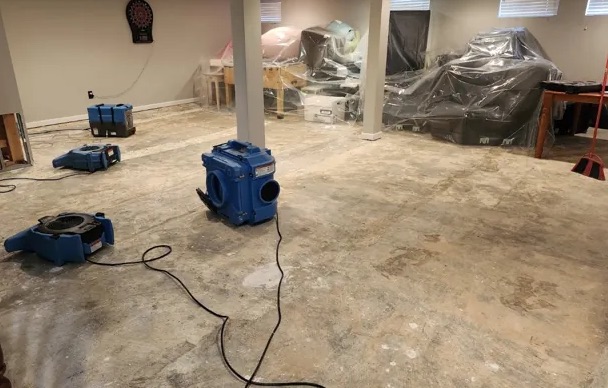
Professional Structural Drying & Dehumidification in Bellevue, WA
For homes in Bellevue, any water event, from a small leak to major flooding, can leave wet materials that lose strength. Local structural drying pros dry wall cavities, slabs and other areas until the structure is stable.
Drying service in Bellevue and nearby Medina, Clyde Hill and Beaux Arts Village covers crawl spaces and the areas under hardwood floors, where dampness causes decay and odors. Residents can request drying for one room or a whole building.
Structural Drying & Dehumidification Methods Used in Bellevue
Emergency Flood Drying
After a flood, local structural drying pros in Bellevue focus on saving the framing and contents with aggressive drying.
Building Material Drying
Studs and joists are dried in place while humidity is managed closely to save them.
Concrete Slab Drying
Focused drying pulls moisture up through the concrete until readings show it is ready for flooring.
Crawl Space Dehumidification
The pros reduce humidity under the house so the floor framing stays sound.
Wet Wall Cavity Drying
Water trapped inside walls cannot dry on its own. Pros inject dry air into the cavity to dry studs and insulation and prevent rot.
Symptoms Requiring Structural Drying & Dehumidification in Bellevue
Soft or Crumbling Drywall
Drywall that feels soft or crumbles has absorbed a lot of water and may need removal.
High Indoor Humidity
A clammy feel indoors after a leak shows humidity is too high for materials to dry.
Peeling Paint or Wallpaper
Peeling paint or wallpaper is a common sign that moisture got behind the surface.
Expanded or Swollen Wood
Swollen door frames or cabinets show that wood has absorbed water and needs drying.
How Structural Drying & Dehumidification Works in Bellevue
Step 1: Emergency Drying Response
Pros assess how far the water spread and choose which areas to dry first to limit further damage.
Step 2: High-Efficiency Moisture Extraction
Extraction equipment pulls water out of soaked subfloors and wall cavities before drying starts.
Step 3: Targeted Structural Drying Process
Air movers and dehumidifiers create steady drying conditions for concrete slabs and hardwood floors.
Step 4: Final Drying Validation
Moisture readings confirm every material is dry before the equipment is removed and repairs begin.
Common Causes Needing Structural Drying in Bellevue
Sewage Backup or Overflow
A sewer backup brings contaminated water that must be removed before drying begins.
HVAC Condensate Drain Failure
A clogged AC drain line can spill gallons of water onto subfloors and ceilings.
Foundation Cracks and Seepage
Cracks in the foundation or slab let groundwater in, wetting concrete and basement walls.
Appliance Malfunction or Overflow
A failing water heater, washing machine or dishwasher can release a lot of water suddenly.
Residential and Commercial Structural Drying & Dehumidification in Bellevue
Residential Structural Drying & Dehumidification
Homeowners get careful drying of wood floors, drywall and insulation with methods suited to how houses are built.
Commercial Structural Drying & Dehumidification
Businesses with large volumes of water need slab drying and industrial dehumidifiers so they can reopen quickly and safely.
Hiring Local Pros for Structural Drying & Dehumidification in Bellevue
Take photos of the damage for your records before cleanup starts. Professionals then use meters to find all the hidden wet areas and dry them.
Cost Considerations for Structural Drying & Dehumidification in Bellevue
Pros in Bellevue weigh how severe the water damage is, whether wall cavities need drying and the total drying time.
Extent of Saturation
A soaked subfloor takes longer to dry and needs more powerful dehumidifiers.
Affected Square Footage
Larger wet areas need more drying equipment and labor, which raises the cost.
Access and Confinement
Tight crawl spaces and closed ceiling cavities are harder to reach and may need special setups.
Does Insurance Cover Structural Drying & Dehumidification?
Coverage for flood drying often depends on the peril in your policy, such as a burst pipe or appliance failure. Review your policy with your agent; pros provide readings and photos.
The Value of Structural Drying & Dehumidification from Local Pros in Bellevue
Industrial-Grade Equipment
Large air movers and dehumidifiers dry far faster than household fans and units.
24/7 Emergency Response
Help is available around the clock, so drying can start soon after water gets in.
Structured Drying Assessments
Pros check and adjust the equipment regularly so humidity and moisture keep dropping.
Round-the-Clock Structural Drying & Dehumidification in Bellevue, WA
A burst pipe or appliance leak needs urgent attention. Call the experts at (425) 600-9153; they offer round-the-clock service for flood and crawl space drying.
Call Now (425) 600-9153Structural Drying & Dehumidification for Bellevue and Surrounding Communities
Local pros in Bellevue handle home and business drying, from wall cavities to crawl spaces, and serve Medina, Clyde Hill and Beaux Arts Village.
Structural Drying & Dehumidification Common Questions Answered
What is crawl space dehumidification and when is it needed?
Equipment that lowers humidity and dries standing water under the house, needed after flooding or ongoing dampness.
How does concrete slab drying work?
Dehumidifiers lower the air humidity, which pulls moisture up through the concrete, sometimes with drying mats too.
What is wet wall cavity drying?
Small openings or injection systems push dry air inside the wall to dry studs and insulation that fans cannot reach.
Why does quick action matter for water damage drying?
Materials absorb water soon after a leak starts, so quick action limits the wet area and shortens repairs.
Can wet drywall be saved with structural drying?
Lightly wet drywall can often dry in place, but heavily soaked panels usually need to be cut out and replaced.