Bellevue, WA · King County
Smoke Damage Sanitation in Bellevue, WAWall Ceiling Smoke Cleaning & Post-Fire Deep Cleaning
When smoke invades a Bellevue property, Smoke Damage Sanitation provides soot residue cleaning, HVAC duct smoke cleaning, and post-fire deep cleaning.
Answered 24/7
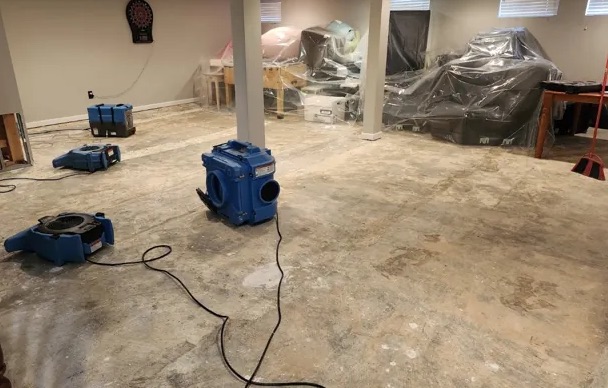
Smoke Damage Sanitation: Restoring Bellevue Properties After a Fire
Smoke in Bellevue homes needs fast attention before soot works into fabrics and ductwork, where it is harder to remove. Local smoke damage pros respond 24/7, starting with an assessment and board-up if needed.
For homes and businesses in Bellevue, smoke cleanup focuses on removing smells and soot that cause ongoing problems. Local smoke damage pros also board up and tarp openings, serving nearby Medina, Clyde Hill and Beaux Arts Village, and protect unaffected rooms with containment while they work.
Smoke Damage Sanitation Services in Bellevue
Wall Ceiling Smoke Cleaning
Popcorn and other textured ceilings are hard to clean. Pros often use only dry sponges on them in Bellevue, keeping the texture intact.
Post-Fire Deep Cleaning
Pros wet-wipe all hard surfaces and HEPA vacuum upholstery in a set order so cleaned areas are not soiled again.
Smoke Odor Remediation
The pros check how deep odor went into building materials and contents, then apply deodorizing agents suited to each.
Soot Residue Cleaning
Soot is acidic and stains or corrodes surfaces. The pros in Bellevue use chemical sponges and pH-balanced cleaners to lift it from walls and ceilings safely.
Emergency Board-Up
The pros tarp the structure to protect it and record the first damage and board-up work for insurance in Bellevue.
Warning Signs for Smoke Damage Sanitation in Bellevue Homes
Soot Stains Reappear on Walls
Stains that come back after wiping mean the walls and ceilings need a deeper clean.
Respiratory Irritation in the Building
Coughing or eye irritation indoors can mean smoke particles are still in the air.
Persistent Smoke Smell After Cleaning
A smoky smell that stays after your own cleaning means professional odor removal is needed.
Black Dust Around Window Seals
Black dust around window seals shows smoke worked its way into the walls.
How Smoke Damage Sanitation Works in Bellevue
Step 1: Secure Site and Remove Debris
Pros board up or tarp openings if needed and remove burned debris before deep cleaning.
Step 2: Aggressive Soot Damage Cleanup
Every surface is cleaned with methods chosen for the type of residue on it.
Step 3: Whole-Structure Smoke Deodorization
The whole affected area is treated with fogging or gas-phase deodorizers to remove odor.
Step 4: Post-Cleaning Validation Walkthrough
You walk through the results with the pros to confirm the work is complete.
Leading Causes of Smoke Residue in Bellevue
Secondary Smoke From Neighboring Fires
Smoke from a neighboring fire can drift in and leave odors behind.
Wildfire Smoke Infiltration
Fine ash and odor from distant wildfires can work into a house through gaps.
Candle or Incense Soot Buildup
Years of candle or incense use leave fine carbon deposits on walls and ceilings.
Smoke Damage After Fire Is Put Out
Smoke keeps settling into walls and materials even after the flames are out.
Residential and Commercial Smoke Damage Sanitation in Bellevue
Residential Smoke Damage Sanitation
At home, pros restore bedrooms, kitchens and common areas, clean belongings of sentimental value and remove discoloration from walls and ceilings.
Commercial Smoke Damage Sanitation
Commercial cleanup covers large air systems and structural deodorizing in warehouses and production areas so the business can reopen safely.
When to Hire Local Pros for Smoke Damage Sanitation in Bellevue
After a small smoke incident, open windows, run fans and wipe hard surfaces like counters and glass with mild detergent while wearing a mask. For lasting odors or soot on walls, call the pros.
Understanding Smoke Damage Sanitation Cost in Bellevue
In Bellevue, heavy soot on walls and ceilings or strong odor in ducts needs more work, which raises the cost.
Structural Deodorization Methods
Thermal fogging or ozone treatment for stubborn odors adds equipment and cost.
Type of Soot Residue
Sticky soot from smoldering fires takes stronger products and more time than dry soot.
HVAC System Contamination
Cleaning soot from ducts, coils and filters adds time and expense to the job.
Does Insurance Cover Smoke Damage Sanitation?
Insurance may cover smoke damage sanitation if the fire cause is a covered event. Pros document the work for the insurer, and you start the claim and review your terms.
Why Choose Local Pros for Smoke Damage Sanitation in Bellevue
Content Cleaning Expertise
Belongings are cleaned with methods suited to fabrics, electronics and other sensitive items.
Thorough Damage Documentation
Notes and photos of every affected area support any insurance claim you file.
Specialized Smoke Odor Removal
Thermal fogging and similar methods reach odor trapped in materials, beyond surface cleaning.
Emergency Smoke Damage Sanitation Response in Bellevue, WA
Fast smoke cleanup limits further loss. If you are dealing with a fire's aftermath in Bellevue, contact local pros at (425) 600-9153 for board-up and assessment.
Call Now (425) 600-9153Smoke Damage Sanitation Near Bellevue: Areas Served
Smoke cleanup is available for homes in Bellevue, and the pros also serve nearby areas like Medina, Clyde Hill and Beaux Arts Village.
Frequently Asked Questions About Smoke Damage Sanitation
What happens during the smoke damage assessment?
Pros inspect every affected area to identify soot types, odor depth and the cleaning methods needed.
Is it safe to stay in a home during smoke damage sanitation?
Often not, because of airborne particles and cleaning agents; the pros can advise on temporary moves.
Why is quick action important for smoke damage?
Early cleaning removes soot before acids etch surfaces, which makes the job easier and smaller.
Why is soot residue cleaning important?
Soot is acidic and can corrode metal, stain surfaces and keep odors alive if it is not fully removed.
What is structural smoke deodorization?
Treating framing and subfloors with sealers or deodorizers to lock in or neutralize odor that soaked in deeply.