Bellevue, WA · King County
Desiccant Dehumidification in Bellevue, WACommercial Desiccant Dehumidification & Emergency Moisture Extraction
Post-Flood Structural Drying, water damage drying systems, and industrial moisture removal form a Desiccant Dehumidification plan for Bellevue.
Answered 24/7
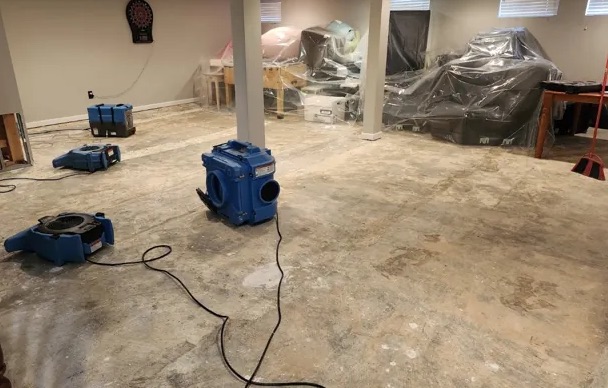
Local Desiccant Dehumidification Services in Bellevue, Washington
In Bellevue, water damage from plumbing failures or weather events requires a response that goes beyond surface drying. Deep-seated moisture in walls and subfloors demands specialized equipment and techniques for effective low humidity drying.
For desiccant dehumidification on a property in Bellevue, the drying setup depends on the building's size and materials. Local desiccant dehumidification pros assess each situation to choose the right drying methods. Nearby areas like Medina, Clyde Hill and Beaux Arts Village are served too.
Complete Desiccant Dehumidification Solutions for Bellevue
Commercial Desiccant Dehumidification
After business water damage, commercial desiccant dehumidification creates dry conditions fast. Adsorption removes airborne moisture, which helps dry dense concrete and wood. It prevents secondary damage and can cut downtime.
Emergency Moisture Extraction
The first 24-48 hours are crucial. Emergency moisture extraction tackles humid air before it saturates porous contents and structural materials. Early drying improves restoration success.
High Capacity Dehumidification Rental
For extensive drying, renting high capacity desiccant dehumidifiers is practical. These commercial machines process large air volumes, cutting humidity in entire floors fast. Proper setup and airflow planning are crucial for effectiveness.
Water Damage Drying Systems
A complete water damage drying system integrates desiccant technology to create an optimal drying climate. The desiccant unit supplies warm, dry air that actively pulls moisture from wet materials.
Industrial Moisture Removal
Industrial moisture removal tackles severe water in factories and large facilities. Desiccant systems offer high-capacity drying for vast air volumes and embedded moisture. It protects machinery and electrical systems from corrosion.
Signs Your Property Needs Desiccant Dehumidification
Water Stains on Drywall or Ceilings
Brownish water stains often mark past leaks where residual moisture still lurks, needing extraction.
Efflorescence on Masonry Surfaces
White, powdery deposits on concrete or brick signal water migration and salt deposits from moisture.
Peeling Paint or Wallpaper
Paint or wallpaper that bubbles and peels is a classic sign of moisture intrusion behind the surface.
Warped Wood or Swelling Materials
Warped wood floors or cabinets point to high moisture levels in the building.
How Desiccant Dehumidification Works in Bellevue
Step 1: Emergency Moisture Extraction
Local desiccant dehumidification pros first extract all standing water using powerful pumps and vacuums, removing the bulk liquid to prepare for drying.
Step 2: Desiccant Dehumidifier Placement
High capacity desiccant dehumidifiers are strategically placed to create airflow pathways for efficient low humidity drying throughout the space.
Step 3: Active Desiccant Drying Process
The desiccant units actively adsorb moisture from the air, releasing dry, warm air back into the environment to draw water from materials.
Step 4: Verification of Moisture Removal
Using moisture meters and sensors, the specialists verify that all structural materials have reached dry standard levels before removing equipment.
Typical Events Requiring Desiccant Dehumidification
Appliance Malfunctions and Overflows
Failing water heaters, washing machines, or dishwashers can flood an area quickly, saturating floors and walls.
Foundation Cracks and Seepage
Cracks in a foundation can permit groundwater seepage, creating a constant source of dampness below grade.
Roof Leaks During Heavy Rain
Compromised roofing allows water intrusion into attics and ceilings, leading to widespread structural water damage.
Storm Driven Water Intrusion
Severe weather can force water through window seals, door frames, or other building vulnerabilities.
Residential and Commercial Desiccant Dehumidification in Bellevue
Residential Desiccant Dehumidification
Residential attics and crawl spaces are prone to condensation and hidden dampness. High capacity dehumidification rental units allow the specialists to maintain low humidity drying conditions for days.
Commercial Desiccant Dehumidification
Restaurants and hotels face operational disruption from kitchen or laundry floods. Emergency moisture extraction followed by desiccant dehumidification prevents business interruption and upholds health codes.
Why DIY Often Falls Short for Desiccant Dehumidification
You can wipe down visible surfaces and set up portable fans to increase air circulation in the room. For deep-seated moisture in walls or under floors, contact the experts in Bellevue for professional assessment and industrial drying services.
Factors Affecting Desiccant Dehumidification Cost in Bellevue
In Bellevue, cost depends on how long drying takes, the power needed to run the units and the final moisture checks.
Process Specificity
Low-temperature drying for sensitive spaces needs special equipment and monitoring, which adds cost.
Containment Requirements
Creating sealed drying chambers with barriers and negative air machines for targeted desiccant drying adds material and labor to the project scope.
Equipment Needs
The number of high capacity dehumidifiers, air drying equipment, and specialized water damage drying systems needed for the job influences rental and operational costs.
Does Insurance Cover Desiccant Dehumidification?
Decisions on insurance coverage for water damage drying systems and desiccant dehumidification are made by your carrier. The pros supply data logs and photos from the industrial drying services performed to aid your claim submission.
The Value of Local Pros for Desiccant Dehumidification
Advanced Desiccant Technology
Using specialized desiccant dehumidification equipment allows for effective low humidity drying even in cold or challenging environments where conventional units struggle.
Structural Drying Techniques
Building materials and assemblies are dried through so no hidden moisture remains.
Commercial & Industrial Focus
High-capacity units are sized for warehouses, schools, gyms and other large buildings.
24/7 Emergency Desiccant Dehumidification for Bellevue Properties
A major moisture event needs immediate drying. To mobilize water damage drying systems and begin the desiccant drying process, make the emergency call to (425) 600-9153.
Call Now (425) 600-9153Desiccant Dehumidification Coverage in King County
Industrial drying and emergency extraction are offered in Bellevue and nearby Medina, Clyde Hill and Beaux Arts Village.
Common Desiccant Dehumidification Questions Answered
How is the desiccant drying process monitored?
The desiccant drying process is monitored using moisture meters, hygrometers, and thermal imaging to track progress toward dryness goals and adjust the moisture removal strategy as needed.
What are common water damage drying methods?
Common water damage drying methods include air movers for evaporation, refrigerant dehumidifiers for condensation, and desiccant dehumidification for adsorption, chosen based on the specific drying environment.
How does commercial desiccant dehumidification differ?
Commercial units have higher capacity and are built to dry large spaces like warehouses and schools.
Why choose desiccant drying over other methods?
Desiccant drying is chosen for its ability to achieve very low humidity drying in cold temperatures and for deep drying in thick materials, a key advantage in industrial drying services.
How long does post-flood structural drying take?
Post-flood structural drying duration depends on material saturation depth, ambient conditions, and the desiccant dehumidification capacity used; it's a process-driven approach monitored until dryness goals are met.